

The expansion is centered on two primary petroleum routes: the 62-kilometer Amlekhgunj–Chitwan pipeline and the 50-kilometer Siliguri–Jhapa pipeline, with a combined cost of Rs 15 billion (approximately USD 103.1 million). The infrastructure will be financed through grants provided by the Indian Oil Corporation and NOC funds of approximately USD 59.4 million.
Jan 26, 2026
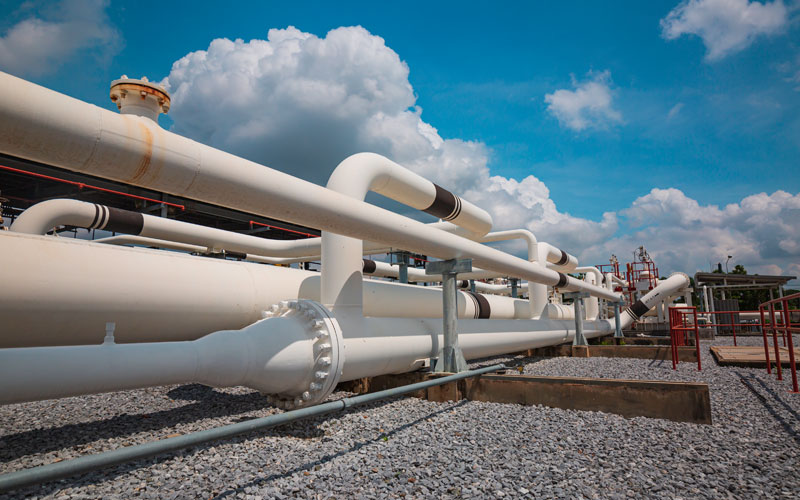
The Nepal Oil Corporation (NOC) is accelerating the construction of several cross-border petroleum and liquefied petroleum gas pipelines in collaboration with India, securing Nepal’s energy infrastructure.
NOC Executive Director Chandika Prasad Bhatta announced that this initiative aims to modernize fuel transit, reduce heavy reliance on tanker trucks, and ensure a more stable energy supply.
The expansion is centered on two primary petroleum routes: the 62-kilometer Amlekhgunj–Chitwan pipeline and the 50-kilometer Siliguri–Jhapa pipeline, with a combined cost of Rs 15 billion (approximately USD 103.1 million). The infrastructure will be financed through grants provided by the Indian Oil Corporation.
In addition to the pipeline network, the NOC is committing Rs 8 billion (approximately USD 59.4 million) of its own funds to construct a fuel storage facility in Chitwan. This terminal will serve as a strategic hub, allowing for larger reserves and more efficient distribution to the country’s central and western regions.
The cooperation also extends to cooking gas. A proposed Rs 12 billion (approximately USD 82.5 million) LPG pipeline stretching from Motihari, India, to Sarlahi, Nepal, is currently under development.
Also Read: Hilco Industrial Complete 8” Seamless Tube Plant in France, Up for Sale
This pipeline alone will decrease annual transportation costs by approximately Rs 6 billion (approximately USD 41.2 million), and expenses associated with road transit. The transition will also reduce the environmental footprint of fuel delivery and minimize traffic congestion on major highways. While the completion date has not been set, the NOC has designated these projects as high-priority initiatives to support Nepal’s growing energy demands.