
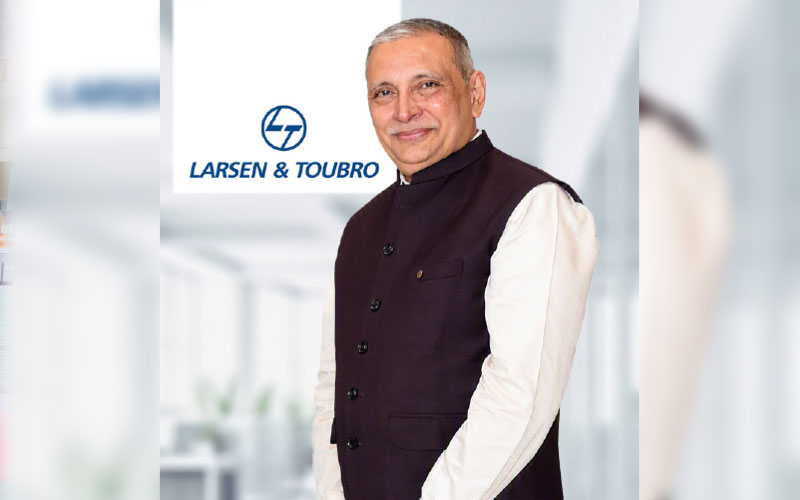
As large-scale energy and infrastructure projects become increasingly complex and dynamic, pipe procurement is evolving from a transactional sourcing function into a critical component of project execution. For L&T Energy Hydrocarbon, this means engaging potential vendors as early as the pre-bid stage, assessing manufacturers on capability, capacity, quality systems, testing infrastructure, financial strength, HSE performance and execution track record, and securing manufacturing capacity well ahead of field requirements. The company’s approach also reflects the growing importance of total installed cost, supply-chain resilience, localisation, traceability and advanced materials. In an exclusive interview with Tube & Pipe India, Mr. Paritosh Naik, Vice President & Head – Supply Chain Management, L&T Energy Hydrocarbon Onshore, discusses how the company navigates pipe sourcing across refineries, petrochemical complexes, gas processing and fertilizer projects, the evolving requirements for corrosion-resistant and non-metallic pipes, and the strategies being adopted to manage capacity, delivery, price volatility and changing global supply-chain dynamics. Mr. Naik also talks about the challenges and how the company’s resilient approach has evolved from experience over time.
Tube & Pipe India: Across L&T Energy Hydrocarbon’s current project portfolio, what are the major categories of pipe and piping-material requirements by application, material and product type? How has this procurement mix changed in recent years?
Paritosh Naik: L&T Energy Hydrocarbon procures a wide range of piping materials for refineries, petrochemical complexes, gas processing plants, fertilizer units. Requirements typically include carbon steel, low-temperature carbon steel, alloy steel, stainless steel, duplex and super duplex stainless steel, nickel alloys, clad pipes and various piping components. Depending on the application and end use, these materials may be required with or without coating.
In recent years, we have observed a growing demand for higher-alloy materials, corrosion-resistant alloys, heavy thickness pipes, and specialty products like non-metallic pipes (GRE/ GRV, GRUP) driven by harsher operating conditions, hydrogen-related applications and increasingly stringent client specifications.
TPI: At what stage of a project do major pipe requirements become sufficiently defined for procurement planning? How do subsequent changes in project requirements affect quantities, specifications, procurement schedules and supplier commitments?
PN: We engage with our engineering team and suppliers during the bidding stage of the project to have prompt access to major piping requirements. Major pipe requirements generally become sufficiently defined after completion of basic engineering and 40% isometric review during detailed engineering. Procurement engagement commences once material specifications, quantities and project schedules are defined.
Subsequent design changes can significantly affect quantities, material grades, wall thicknesses, manufacturing routes and delivery schedules. Effective coordination among engineering, procurement and project teams is therefore essential to minimize disruptions and maintain supplier commitments.
TPI: What are the principal factors that determine the material, grade, product type, dimensions and applicable standards for pipe requirements? Once these requirements are established, under what circumstances can suppliers propose technically acceptable alternatives?
PN: Material selection is driven by plant application, process conditions, pressure and temperature requirements, corrosion considerations, design life, applicable codes and standards, client specifications and project location.
Suppliers may propose technically equivalent alternatives only when they fully comply with process requirements, applicable codes and project specifications. Any alternative solution undergoes detailed technical evaluation and client approval where required. The focus is on standardization of MOC and pipe schedule during the engineering stage to minimize variety and deviation so that procurement and delivery is at fast pace.

In recent years, we have observed a growing demand for higher-alloy materials, corrosion-resistant alloys, heavy thickness pipes, and specialty products like non-metallic pipes (GRE/ GRV, GRUP) driven by harsher operating conditions, hydrogen-related applications and increasingly stringent client specifications.
TPI: What are the principal criteria L&T Energy Hydrocarbon considers when qualifying pipe manufacturers for its approved vendor base? How important are manufacturing capability, quality systems, testing facilities, capacity, delivery record and previous project experience in this process?
PN: L&T evaluates pipe manufacturers through a comprehensive qualification process covering- manufacturing capability and infrastructure, production capacity, quality management systems, testing and inspection facilities, financial strength, HSE performance, past project execution record for clients from oil & gas, fertilizer, green ammonia industries and compliance with standards and end customer approval. For critical projects, successful execution history and demonstrated reliability are often as important as manufacturing capability.
TPI: Once suppliers are technically qualified, what factors most strongly influence the final sourcing decision? How are price, technical compliance, delivery capability, manufacturing capacity, quality track record and commercial terms balanced?
PN: We follow the concept of total installed cost. Following technical qualification, sourcing decisions are based on a balanced assessment of quality performance, manufacturing capacity, delivery capability, supply-chain reliability, commercial competitiveness, commercial and contractual terms, and after-sales support. While cost remains important, project schedule assurance and execution reliability are often decisive factors in major EPC projects. For international projects, sourcing requires focusing on geopolitical conditions to ensure timely delivery.
TPI: For large or schedule-critical projects, how does L&T Energy Hydrocarbon manage long-lead pipe requirements and secure adequate manufacturing capacity or production slots? How early can such commitments need to be made?
PN: Engagement with potential vendors starts during the pre-bid stage for large or schedule-critical projects. LTEH has adopted the project task force concept and operates in close vicinity to the client for focused and fast-track decision-making. After award of the project, for critical items, we start technical and commercial closure based on pre-bid inputs with various vendors.
For ordering decisions, high-level steering committees have been formed to accelerate the MR to PO cycle. For securing manufacturing capacity and production slots, sponsor/higher management-level engagement is initiated, considering long-standing relationships with the vendors. In certain cases, manufacturing slots may need to be secured many months before field execution activities commence to ensure project schedule protection.
We follow the concept of total installed cost. Following technical qualification, sourcing decisions are based on a balanced assessment of quality performance, manufacturing capacity, delivery capability, supply-chain reliability, commercial competitiveness, commercial and contractual terms, and after-sales support.
TPI: How does L&T Energy Hydrocarbon determine whether a pipe requirement should be sourced domestically or internationally? To what extent do localisation requirements, supplier capability, lead time, cost and supply-chain resilience influence this decision?
PN: L&T Energy Hydrocarbon adopts a balanced sourcing strategy leveraging both domestic and international manufacturing capabilities. India has developed a strong and globally competitive pipe manufacturing ecosystem, and a sizeable portion of our requirements are fulfilled through qualified domestic manufacturers.
In addition, we actively engage with capable domestic manufacturers and support them in obtaining approvals from international clients and licensors. This helps expand the qualified supplier base, strengthens localization efforts, and enhances supply chain resilience for global projects.
At the same time, we maintain relationships with leading international suppliers to access specialized products, large production capacities, advanced manufacturing technologies and competitive commercial opportunities.
The sourcing decision is based on technical requirements, approved vendor list, project schedule, delivery commitments, quality performance, total installed cost, localization requirements and supply chain resilience. Having both domestic and international sourcing options enables us to optimize project execution while minimizing supply risks and ensuring business continuity.
TPI: How does L&T Energy Hydrocarbon manage steel, alloy and other raw-material price volatility when procurement commitments have to be made well ahead of project execution? What approaches are used to manage price and supply risks?
PN: L&T manages price and supply risks through advance procurement planning, early market intelligence, regular engagement with suppliers, maximising the ordering quantum by combining multiple projects across L&T’s multiple units, competitive bidding, long-term price agreements, long-term supplier relationships, and contractual risk-sharing mechanisms where appropriate. Close engagement with key suppliers helps improve visibility on raw material trends and availability, enabling proactive decision-making.
TPI: From the project-execution standpoint, what are the most consequential issues encountered in pipe procurement, whether related to quality, testing, documentation, specification compliance, production capacity or delivery? Which of these have the greatest potential to affect project schedules or costs?
PN: From the project-execution standpoint, the most consequential issues encountered in pipe procurement are limited vendors as per the restricted approved vendor list from clients; restriction of the sub-vendor list for raw material sourcing required by pipe mills; itemized minimum order quantities, especially for top-up quantities; mills’ capabilities and capacity; a large variety of pipe requirements where no single source can meet the entire requirement; and different client bases requiring different documentation, specification compliance and ordering methodology across multiple vendors.
Also Read: Tube & Pipe India Emagazine Jul-Sep Issue 2026
TPI: Across L&T Energy Hydrocarbon’s current and recently awarded projects, which changes in project technology, materials, standards, localisation, client requirements or supply-chain conditions are having the greatest effect on pipe procurement and supplier qualification?
PN: Several industry developments are shaping pipe procurement and supply chain management today, including increasing localization requirements, more stringent quality and traceability standards, growth in corrosion-resistant alloy and non-metallic pipe applications, digitalization of supply-chain processes, adoption of Artificial Intelligence for advanced analytics and supply chain optimization, enhanced sustainability requirements, and greater emphasis on supplier qualification and risk management. Additionally, evolving global trade dynamics continue to influence procurement strategies and supply-chain planning.
TPI: Where permissible, could L&T Energy Hydrocarbon share indicative figures or ranges on parameters such as typical pipe procurement lead times, domestic versus international sourcing, the number of qualified suppliers for major categories, or the approximate significance of piping-material procurement within large EPC projects?
PN: While specific project data remains confidential, L&T’s approved supplier network includes both leading domestic and international pipe manufacturers across various material grades and product categories. Depending on project requirements, sourcing may range from fully domestic procurement to a combination of domestic and overseas supply to achieve the optimum balance of quality, delivery, cost competitiveness and risk management.
This diversified sourcing approach provides flexibility to support large-scale EPC projects across different geographies and industry sectors.
L&T Energy Hydrocarbon adopts a balanced sourcing strategy leveraging both domestic and international manufacturing capabilities. India has developed a strong and globally competitive pipe manufacturing ecosystem, and a sizeable portion of our requirements are fulfilled through qualified domestic manufacturers. At the same time, we maintain relationships with leading international suppliers to access specialized products, large production capacities, advanced manufacturing technologies and competitive commercial opportunities.