
In an exclusive interview with Tube & Pipe India, Mr. Aayush Goel, Director of Goel Pipes, shares how the company is redefining quality and sustainability in steel pipe manufacturing. With a current installed capacity of 180,000 MTPA, and a current achievement of around 130,000 MTPA, the company plans to produce 500,000 MTPA finished goods by 2029. Goel Pipes is expanding into solar infrastructure and road furniture. Known for its bold campaign– “Patra hai toh khatra hai”, the company champions strict compliance and product traceability. From solar-powered operations to electric logistics and advanced fume control, sustainability is deeply integrated into its processes, positioning Goel Pipes ahead of the curve in a transforming industry.
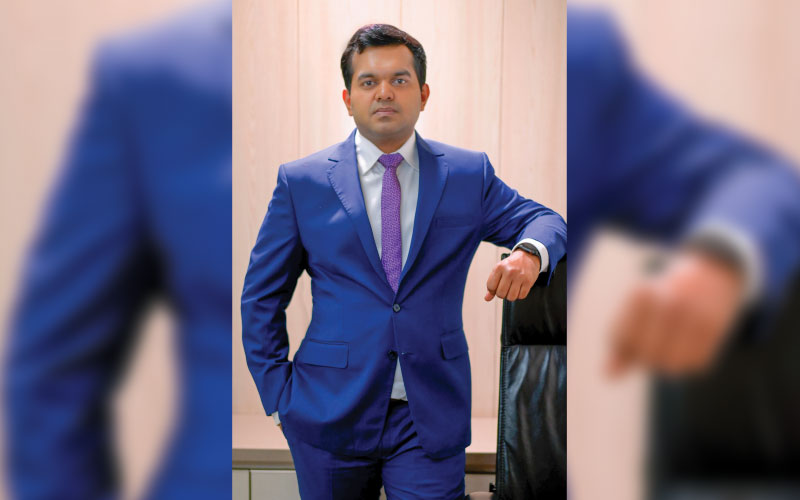
Tube & Pipe India: How does Goel Pipes contribute to reducing carbon emissions across its manufacturing processes?
Aayush Goel: At Goel Pipes, sustainability is not a checklist—it’s embedded in how we operate daily. While “green steel” often refers to hydrogen-based steelmaking, our approach to environmental responsibility focuses on practical, high-impact initiatives that significantly reduce carbon emissions in our existing processes.
A major part of our manufacturing is powered by our captive solar plant, helping us significantly cut down on conventional energy usage and carbon emissions. We’ve also deployed electric heavy vehicles at our Tilda facility for material handling and internal logistics, further reducing diesel consumption and contributing to lower onsite emissions.
Our galvanising unit exceeds regulatory requirements by using advanced fume extraction and filtration systems to limit the release of hazardous gases, making the process safer for workers and the environment.
Additionally, we follow strict Standard Operating Procedures (SOPs) that focus on resource efficiency and minimal wastage, ensuring optimal use of raw materials, water, and energy. These steps are part of our broader philosophy of doing business in a way that benefits the environment, our workforce, and the communities around us.
TPI: How would you describe Goel Pipes’ journey since its establishment? What elements have played a significant role in the success of your business journey?
AG: Our journey has been defined by value creation, not volume chasing. In just a few years, Goel Pipes has carved a niche by manufacturing specialized, high-grade pipes that serve critical industries—such as solar energy infrastructure, structural applications in refineries, and micro piling in civil engineering. These aren’t mass-market commodities; they are precision products used where quality cannot be compromised.
What has truly driven our success is our process-oriented approach and technology adoption. We’ve invested in systems that reduce manual intervention and boost consistency—features like automated beveling, in-line painting, and traceability down to heat numbers. This allows us to deliver not just pipes, but trust and accountability with every consignment.
While the market often leans toward lower-cost alternatives like ‘patra’. Our clients choose us for our reliability, long-term performance, and technical assurance. The quality-first mindset has helped us grow steadily and sustainably.
TPI: Kindly walk us through your infrastructure setup. What is your annual manufacturing capacity?
AG: Our current installed capacity is 180,000 MT per annum, with a current achievement of around 130,000 MT per annum. This output reflects our operational efficiency, especially considering early-stage supply challenges with HR coils, which we have now effectively mitigated.
We operate with a clear eye on the future. Plans are already in motion to expand into larger-diameter pipes, increasing our capability to meet the growing demand across infrastructure and industrial segments. Every part of our setup—from raw material intake to final dispatch—is designed for scalability and consistency.
What has truly driven our success is our process-oriented approach and technology adoption. We’ve invested in systems that reduce manual intervention and boost consistency—features like automated beveling, in-line painting, and traceability down to heat numbers.
TPI: What does the product basket of Goel Pipes contain? Which are the industries where your products find application?
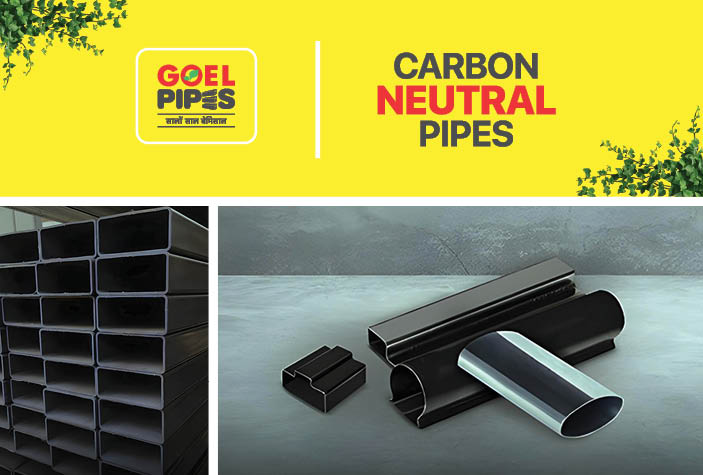
AG: Goel Pipes manufactures a wide range of pipes in diameters from 0.5 inches to 12 inches, designed for applications that demand both strength and precision. These pipes are used across diverse sectors, including in infrastructure sector for structural steel in refineries, scaffolding, and micro piling; in energy sector for solar panel mounting structures; in water and gas sector for urban water pipelines and domestic gas supply lines; in furniture and interiors for steel frames and handrails; agriculture sector for irrigation and water transport systems; and industrial applications such as slurry handling and process piping. The company focuses on delivering solutions tailored to technical and functional customer requirements.
TPI: Quality control and testing infrastructure are critical in the steel industry to ensure product reliability and compliance with standards. Could you elaborate on the specific measures and technologies Goel Pipes employs to maintain and ensure the quality of its products throughout the manufacturing process?
AG: Quality is non-negotiable at Goel Pipes. Each product is traceable back to its heat number and raw material source, giving us complete visibility and control over input quality.
Our plant is ISO certified and all pipes are BIS certified, which reflects both process and product compliance. We deploy automated systems for critical stages like cutting, beveling, and surface coating to minimize human error and maximize consistency.
Every batch goes through rigorous inspection, including pressure testing, dimensional verification, and surface checks—ensuring our customers receive pipes that meet or exceed the promised technical parameters.
TPI: What strategies do you employ to maintain brand visibility and stay ahead of the curve?
AG: We believe that brand visibility is a function of both market understanding and consistent messaging. Our in-house marketing team, Wisteria, plays a pivotal role in this. They actively monitor market trends and tailor our campaigns accordingly—ensuring we remain not just visible, but relevant.
From awareness campaigns like ‘Patra hai toh khatra hai’ to thought leadership around quality and safety, our brand strategy is built on credibility and consistency rather than noise.
Our galvanising unit exceeds regulatory requirements by using advanced fume extraction and filtration systems to limit the release of hazardous gases, making the process safer for workers and the environment.
TPI: Please shed light on your recent developments. Where do you see yourself five years down the line?
AG: We are currently undergoing horizontal expansion into solar infrastructure and road furniture, both of which align with our strengths in steel and sustainability. These are high-growth sectors where our product quality and engineering discipline give us a competitive edge.
By the end of 2029, we aim to scale our production to 500,000 metric tons of finished goods annually. This growth is not just about volume—it’s about expanding our impact, serving more sectors, and doing so sustainably.
TPI: What challenges do you foresee in the industry? How do you plan to overcome them?
AG: One of the most pressing challenges today is the unchecked proliferation of substandard materials like patra, often mislabeled as BIS-approved. These pipes are entering critical applications such as scaffolding and solar installations—jeopardizing not just projects, but lives.
Instead of compromising or joining the trend, we are actively raising awareness and lobbying for stricter enforcement of standards. It’s not the easy path, but it’s the right one—and we’re committed to leading by example.
Also Read: BMW Industries Pin Bokaro Expansion As Unconventional And Strategic
TPI: What trends do you see shaping the future of the metal industry?
AG: The future of the metal industry will be defined by two things: resource access and sustainability. As mining and raw material access improve, we expect production to stabilize. On the sustainability front, there’s a visible shift toward reducing carbon footprints across the value chain.
Every company—regardless of size—is now talking about emissions, waste, and environmental responsibility. That’s a great shift, and at Goel Pipes, we’re proud to be ahead of the curve, having already implemented clean energy, low-emission logistics, and responsible manufacturing long before it became mainstream.
While the market often leans toward lower-cost alternatives like ‘patra’. Our clients choose us for our reliability, long-term performance, and technical assurance.