
JTL Industries is reinforcing its position among India’s leading ERW pipe manufacturers with a 1 million TPA black pipe production capacity; 150,000 TPA galvanized pipe capacity, and a phased expansion to nearly 1.7 million tonnes by 2027. In an exclusive interview with Tube & Pipe India, Mr. Dhruv Singla, Executive Director, JTL Industries Limited, discusses the company’s debt-free growth strategy, value-added product expansion, and the future of the tube and pipe industry. He also shares how the company’s third participation at Tube & Pipe Fair has enabled it to showcase its product portfolio, engage with industry stakeholders, and strengthen business relationships.
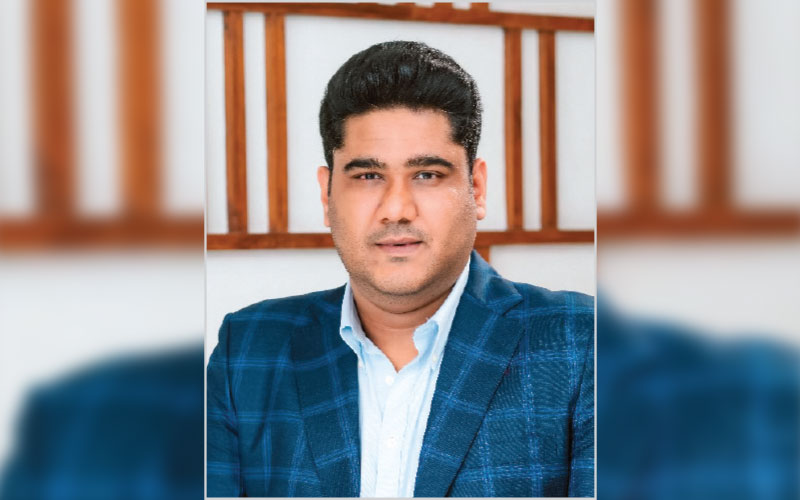
Tube & Pipe India: Please introduce JTL Industries’ tube and pipe product portfolio and production capabilities.
Dhruv Singla: JTL Industries is primarily an ERW pipe manufacturer with an annual production capacity of 1 million tonnes across its manufacturing plants in India. The company caters to a wide range of applications, including water, gas, and structural segments. Its product portfolio comprises round pipes ranging from ½ inch to 12 inches in diameter, square sections up to 350 x 350 mm, and wall thicknesses from 1 mm to 14 mm.
In addition to black pipes, JTL also manufactures galvanized pipes, offering a comprehensive product portfolio. The company’s installed capacity includes 1 million tonnes per annum of black pipes and 150,000 tonnes per annum of galvanized pipes, making it one of the leading manufacturers in the segment.
TPI: Could you share any recent innovations or strategic investments at JTL Industries?
DS: We are expanding our production capacity from 1 million tonnes to nearly 1.7 million tonnes, with the expansion expected to become fully operational by the end of 2027. The project is being implemented in phases. Our strategy focuses on both backward and forward integration. Currently, we procure hot-rolled (HR) coils, slit them, manufacture pipes, and galvanize them. Going forward, we will add multiple value-added processes, including pickling and oiling, cold rolling, coil galvanizing, and the production of colour-coated roofing sheets. This will significantly diversify our product portfolio and strengthen our value-added offerings. The investment is a brownfield expansion, with the existing plant being upgraded rather than setting up a new greenfield facility.

Looking ahead, steel pipes are expected to find wider acceptance in applications such as ornamental tubing, which is already well established in international markets but is still emerging in India. As applications continue to diversify, product demand will grow further, driving the need for additional capacity expansion across the industry.
TPI: What are the biggest challenges facing the tube and pipe industry today?
DS: The pipe industry has witnessed significant capacity expansion over the past two to three decades, making it an increasingly competitive market. However, our focus is not simply on increasing production volumes.
At JTL, we are expanding our capacities with an emphasis on value-added products and a wider range of SKUs to gain greater market share. Our objective is to deliver higher volumes backed by enhanced product offerings, rather than merely adding capacity.
TPI: What are JTL Industries’ key strengths, and where do you see the company in the coming years?
DS: One of JTL’s biggest strengths is that all our expansions are debt-free, reflecting our strong financial discipline. Another major differentiator is our leadership in the galvanized steel tube segment, where we have one of the highest production capacities in the market. Going forward, our focus will remain on expanding our portfolio of value-added products, further strengthening our market position.
TPI: Where do you see the biggest opportunities for the tube and pipe industry in the coming years?
DS: Steel pipes have evolved into an extremely versatile product. Over the years, they have increasingly replaced traditional materials such as wood, concrete, mortar, and bamboo scaffolding across various applications. Looking ahead, steel pipes are expected to find wider acceptance in applications such as ornamental tubing, which is already well established in international markets but is still emerging in India. As applications continue to diversify, product demand will grow further, driving the need for additional capacity expansion across the industry.
Also Read: Tube & Pipe India Emagazine Jul-Sep Issue 2026
TPI: How has your experience been at Tube & Pipe Fair Hyderabad?
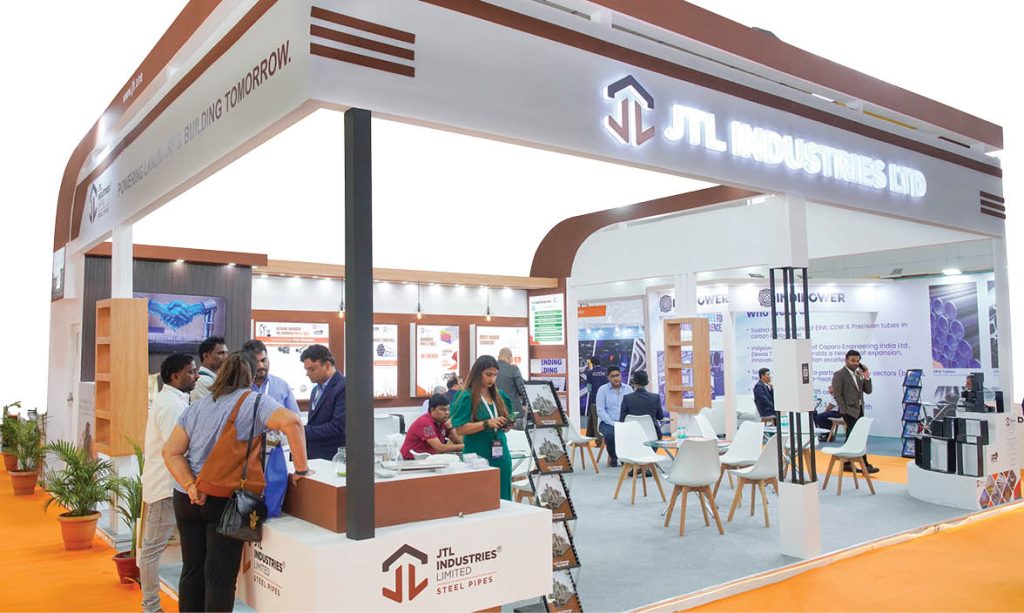
DS: This is our third participation at Tube & Pipe Fair, following the previous editions in Hyderabad and Delhi.
The exhibition serves as an excellent platform to engage with industry peers, dealers, clients, and other stakeholders. It facilitates both formal and informal discussions while allowing us to showcase our product samples and capabilities—something that is often difficult during routine business interactions. Overall, it has proved to be an effective platform for strengthening relationships and demonstrating our product offerings.
Our strategy focuses on both backward and forward integration. Currently, we procure hot-rolled (HR) coils, slit them, manufacture pipes, and galvanize them. Going forward, we will add multiple value-added processes, including pickling and oiling, cold rolling, coil galvanizing, and the production of colour-coated roofing sheets.