
BMW Industries Limited is strategically expanding with a greenfield downstream steel complex in Bokaro, Jharkhand. With an INR 803 crore investment, the facility will be developed in phases over two years. In an exclusive interview with Tube & Pipe India, Mr. Harsh Bansal, MD of BMW Industries, gives a sneak peak into the new Bokaro facility. The company supplies HRPO, CR, GI, GA, colour-coated coils, as well as pipes and tubes. They also manufacture pipes and tubes, which includes hot-dip galvanizing. While talking about the milestones so far, Mr. Bansal brings focus towards increasing demand for sustainability and how customers are starting to choose suppliers based on their green credentials. He also talks about how urbanisation is driving the growth of high-end steel products, with a notable increase in demand from Tier-I and Tier-II cities.
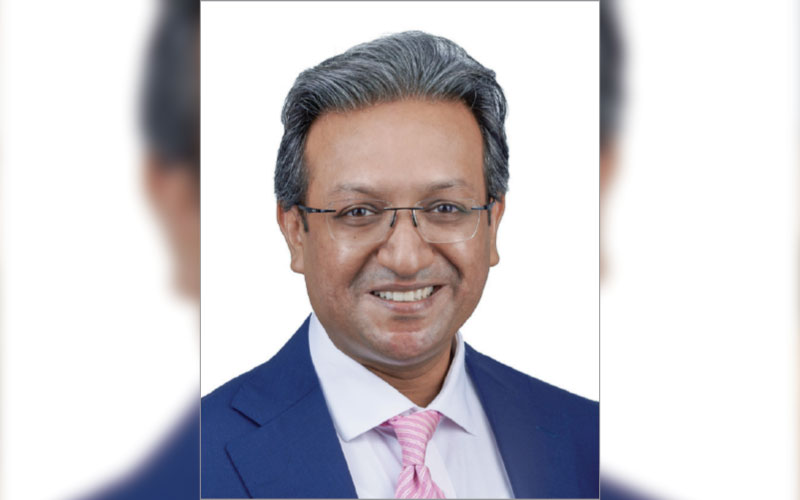
Tube & Pipe India: What are the key objectives behind establishing the greenfield downstream steel complex in Bokaro? Please elaborate on the planned investment amount and the financial strategy for acquiring the required funds.
Harsh Bansal: We see Bokaro as a strategic move in our journey of growth, beyond the traditional contract manufacturing model we’ve followed for years. It’s a forward integration into a space we understand well, thanks to our long-standing experience running a CRM complex in Jamshedpur for over a decade. The new plant at Bokaro might deal with different end products, but the core processes- cold rolling, galvanizing, and coating are similar, which gives us confidence.
The project is being developed in phases over 24 months, which gives us the flexibility to start operations quickly and gradually ramp up. The focus is on value-added products- HRPO, cold-rolled, galvanized, and colour-coated coils with a strong emphasis on sustainable and safe operations, which we’ve ingrained in our work culture thanks to our collaboration with Tata Steel.
The total investment planned is INR 803 crore. This will be funded through a balanced mix of debt and equity. We’re confident in the financial roadmap, and the phased approach allows us to manage the risk while maintaining momentum.
TPI: Could you detail the production capacities for cold-rolled full coils, galvanised coils, and colour-coated coils at this facility?
HB: At the Bokaro facility, we’ve planned substantial capacity to cater to evolving market demands. We’ll be processing around 600,000 metric tonnes of HRPO coils. Our cold-rolling line will have a capacity of approximately 300,000 metric tonnes. The galvanised (GI and GA) output is estimated to be around 550,000 metric tonnes annually, and our colour-coated coil line is planned for about 200,000 metric tonnes.
These numbers are part of our detailed investor and stakeholder presentations, and they give a strong sense of the scale and ambition behind the project. Each product line is designed to cater to growing sectors such as automotive, infrastructure, and consumer durables, all of which are rapidly moving toward coated steel solutions.
At the Bokaro facility, we’ll be processing around 600,000 metric tonnes of HRPO coils. Our cold-rolling line will have a capacity of approximately 300,000 metric tonnes. The galvanised (GI and GA) output is estimated to be around 550,000 metric tonnes annually, and our colour-coated coil line is planned for about 200,000 metric tonnes.
TPI: Kindly share details about your business journey, highlighting major milestones and crucial achievements.
HB: Steel isn’t just a business for us, it’s in our blood. I’ve grown up surrounded by it, from visits to the plant as a child to dinner table conversations with my father and uncles about projects, quality, and innovation. After school at Welham Boys’ in Dehradun, I began working in the family business while attending college, which was quite typical in Calcutta back then.
In the late ‘90s, we were laying the foundation of our Jamshedpur plant. Working closely with Tata Steel, I was involved in writing SOPs, working on shop floors, learning why systems mattered, and how customer focus builds trust. In 1999, we became the first in our segment to achieve ISO certification. This might seem normal now, but back then, it marked a transition from promoter-led operations to a professionally driven setup. I take immense pride in that moment.
By 2004, we were also among the first in our space to implement SAP, again working closely with Tata Steel. We trained with their teams, understood the tech, and integrated it ourselves. That journey helped us become more than a vendor; we became a trusted extension of their operations.
We were pioneers in many ways, setting up the first merchant pickling line, the first wide GC corrugation line, and even developing import-substitute products like chassis long members. One of our proudest contributions is getting approved for LPG cylinder sheeting, which saved the country millions. Through it all, one thing has remained consistent—our ‘can do’ culture. We never say no to a challenge.
TPI: Please give information about your manufacturing plants and annual production capacity catering to the steel sector.
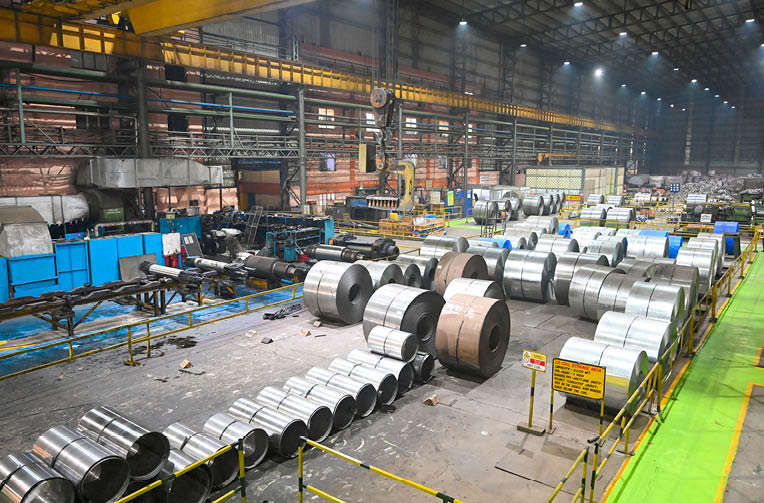
HB: Our plants are spread across key industrial regions, and while it’s hard to list individual capacities in detail, all data is accessible online. Collectively, we offer a diverse set of capabilities from pickling & oiling of HR coils, cold rolling, galvanizing, and trimming, to CTL, slitting, planking, and corrugation. We also have facilities for pipes and tubes manufacturing, which includes hot-dip galvanizing.
Beyond steel processing, we also handle transport and logistics, which enables us to provide end-to-end solutions. This vertical integration helps us serve customers efficiently and maintain quality across the supply chain.
TPI: Please tell us about your steel-related products basket. Which are the industries where these products find application?
HB: Our product portfolio is quite diverse, covering both flat and long products. We supply HRPO, CR, GI, GA, colour-coated coils, as well as pipes and tubes and TMT rebars. These are used in industries like automotive and engineering, infrastructure and construction, furniture, and the pipes and tubes segment.
With the push for modern infrastructure and urban development, especially in Tier 2 and Tier 3 cities, we’re seeing strong demand for quality steel products across these sectors. Our goal is to offer not just steel, but value-added steel solutions.
The PLI scheme is a forward-thinking initiative by the Government of India. It gives companies like ours the support to invest in new capacities and import-substitute products with reduced financial strain.
TPI: How does the MoU with the Ministry of Steel under the PLI Scheme 1.1 align with BMWIL’s long-term growth strategy?
HB: The PLI scheme is a forward-thinking initiative by the Government of India. It gives companies like ours the support to invest in new capacities and import-substitute products with reduced financial strain. Under the scheme, we’ve committed to producing key value-added steel products, which are currently imported in large volumes.
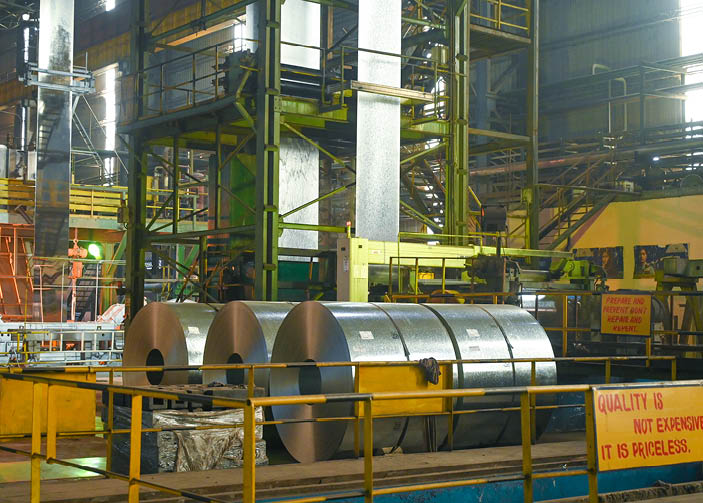
This aligns perfectly with our strategy to move beyond contract manufacturing and establish our own identity in the value chain. Products like GA and colour-coated coils are in growing demand, especially in roofing, infrastructure, and appliance segments. By investing in these areas, we’re building a sustainable roadmap for the company’s future.
TPI: What role does your partnership with Tata Steel play in your overall business strategy and market positioning?
HB: Our relationship with Tata Steel goes back decades; it’s a partnership built on trust, mutual respect, and shared values. Working with Tata Steel has taught us a lot from operational excellence to how to build a customer-first culture. They’ve played a critical role in shaping how we think, execute, and evolve. Today, we see ourselves as an extension of their operations. We’re always ready to invest in their future requirements and work as a strategic partner in their long-term growth. This relationship is one of our strongest differentiators in the market.
TPI: How are you addressing sustainability and environmental concerns in your production?
HB: For us, sustainability starts with people. Policies and budgets can be set by leadership, but unless the culture on the ground supports it, the impact remains limited. Over the years, our teams have taken real ownership of sustainability whether it’s implementing rooftop solar, achieving zero liquid discharge, or conducting regular energy audits.
We’ve planted over 10,000 trees including fruit-bearing ones across our facilities. These aren’t just CSR efforts; they’re part of how we work. The passion and dedication of our team make sustainability a lived value, not just a buzzword.
Also Read: Indus Tubes Brings Focus On Client Service and Sustainable Manufacturing
TPI: What trends do you see shaping the future of the metal industry?
HB: The metal industry is at a major inflection point. While it’s one of the oldest industries, the pressure to become cleaner, greener, and more efficient has never been higher. Sustainability will be a key driver whether in mining, manufacturing, or logistics. There’s a global shift toward carbon neutrality, and customers are starting to choose suppliers based on their green credentials. We see increased investment across the value chain to support this transformation. Another trend is the growing demand for high-end, value-added steel products for infrastructure and mobility driven by urbanisation and policy support.
Sustainability will be a key driver whether in mining, manufacturing, or logistics. There’s a global shift toward carbon neutrality, and customers are starting to choose suppliers based on their green credentials. We see increased investment across the value chain to support this transformation.